






















cleaning
How to Wash Fruit and Vegetables (and What Washing Can and Can’t Do)


Washing your fruit and veg is one of those small kitchen habits that’s easy to skip. It’s also one of the simplest things you can do for your family’s health.
Good news too: our Fruit & Veg Wash Block is back in stock after selling out. So here’s everything we know about washing produce properly, including the bits washing can’t fix.
Why wash fruit and vegetables?
By the time produce reaches your kitchen, it’s been on a long journey: grown in soil, picked, packed, transported and handled by plenty of people before you. Washing helps remove the dirt, bacteria and residue it picks up along the way.
That goes for organic produce too. Organic is grown without most synthetic pesticides, but it’s still handled, transported and grown outdoors, so it still needs a wash.
What washing can and can’t do
This month, Pesticide Action Australia released Australia’s Residue Report 2026. They tested 78 samples of 13 types of fresh fruit and vegetables bought from major supermarkets across five capital cities, using an independent, NATA-accredited lab.
Some samples carried residues above legal limits, including grapes at 5.5 times and strawberries at 9.5 times the maximum residue limit. It’s a snapshot of 78 samples rather than a national average, but it’s a useful prompt to understand what washing actually does.
Washing does help. It removes dirt, microorganisms and some surface residue, and the World Health Organization recommends washing or peeling as one way to limit your intake of pesticide residues.
But washing has limits, because pesticides behave differently:
- Contact pesticides stay on the outside of the produce. Washing can remove some of them, but many are designed to cling to the skin through rain and irrigation.
- Translaminar pesticides soak into the outer layers. Washing can’t reach them, and peeling only removes some.
- Systemic pesticides are absorbed by the plant and move through it as it grows. No amount of washing or peeling removes them.
So washing is worth doing, as long as you know it’s one part of the picture.
Read the full Residue Report →

How to wash fruit and vegetables: step by step
- Wash your hands first. Use warm water and soap for 20 seconds.
- Fill your sink or a large bowl with cool water.
- Add your wash. Immerse the Fruit & Veg Wash Block in the water and swirl it around to create a light lather.
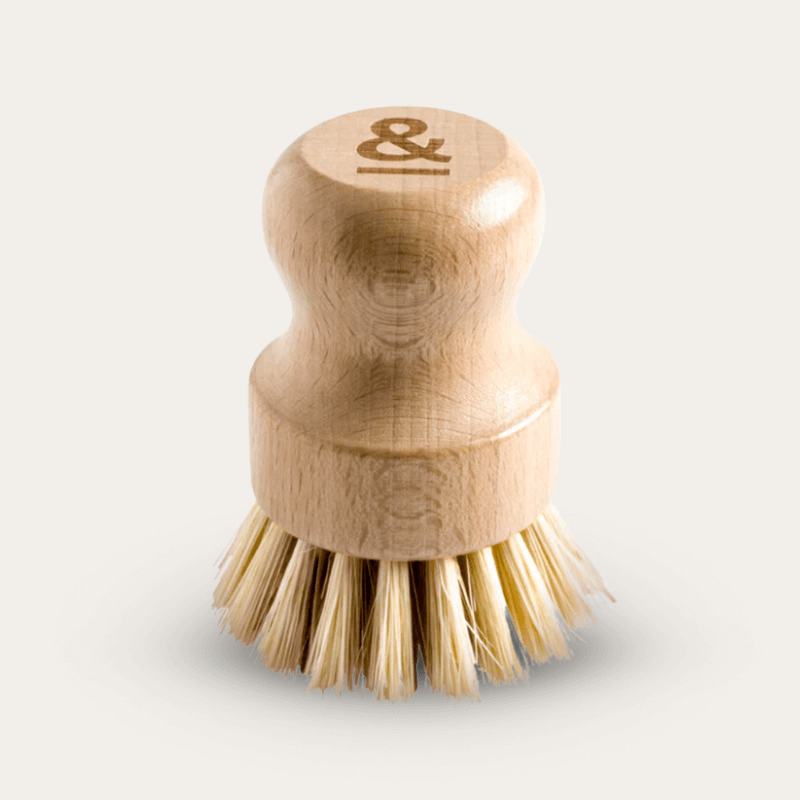
- Wash your produce. Gently rub soft fruit with your hands, and scrub firm produce with a Vegetable Brush.
- Rinse thoroughly under clean running water.
- Dry with a clean tea towel, or leave to air dry before storing or eating.
How to wash different types of produce
Firm fruit and veg (apples, potatoes, carrots, cucumbers, pumpkin)
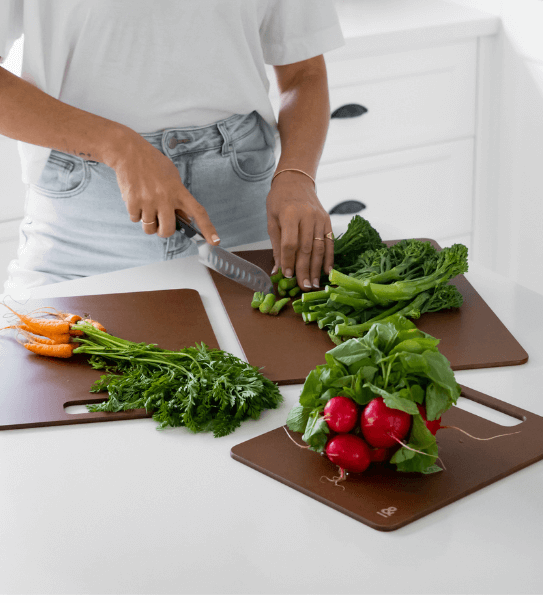
Scrub with a vegetable brush under water to get into the grooves and dimples. Wash them even if you plan to peel them, because your knife or peeler can carry dirt from the skin onto the flesh.
Leafy greens (lettuce, spinach, kale, silverbeet)
Remove any damaged outer leaves, then separate the rest. Soak them in your wash water and swish them around so grit falls to the bottom. Lift them out rather than draining the sink over them, then rinse and dry.
Berries and grapes
Wash these just before eating, because moisture makes them spoil faster in the fridge. Place them in a colander, dip them gently in the wash water, then rinse under a soft stream of water.
Soft fruit (tomatoes, stone fruit, capsicum)
Rub gently with your hands while washing, and pay attention to the stem end, where dirt collects.
Herbs
Swish gently in the wash water, rinse, then pat dry or use a salad spinner.
Mushrooms
These soak up water easily, so give them a quick rinse or wipe just before cooking rather than soaking them.

Should you wash produce before storing it?
For most produce, it’s best to wash just before eating or cooking. Moisture left on fruit and veg can speed up spoilage, especially for berries, grapes and leafy greens. If you prefer to wash everything when you unpack the shopping, dry it thoroughly before it goes in the fridge.
Reducing pesticide exposure on a budget
Buying organic is the best way to reduce pesticide exposure, but we know it’s out of reach for a lot of households, especially right now. The good news is that there are still plenty of practical steps:
- Choose organic for just a few items. Pick the fruit and veg your family eats most often, rather than switching everything.
- Buy local and in season. Shop at farmers’ markets where you can, and ask growers how they farm.
- Grow what you can. Herbs, lettuce and cherry tomatoes are easy wins, even on a balcony.
- Peel where it makes sense. Peeling removes some residues, but it also removes fibre and nutrients, so it’s a trade-off.
- Wash everything. Make it part of your routine when you prep food.
Most importantly, keep eating plenty of fresh fruit and vegetables. The health benefits are well established, and nothing in the Residue Report changes that.

The Fruit & Veg Wash Block is back
Our Fruit & Veg Wash Block is a plastic-free, plant-based way to make washing produce part of your everyday routine. It’s made in Australia with essential oils, it’s 100% palm oil free, and it leaves no aftertaste on your food. A touch of spirulina gives it a green tint, so it’s easy to tell apart from your Dish Soap Bar at the sink.
To use it, fill your sink, immerse the bar, wash your produce, then rinse thoroughly. Pair it with our Vegetable Brush for firm produce.
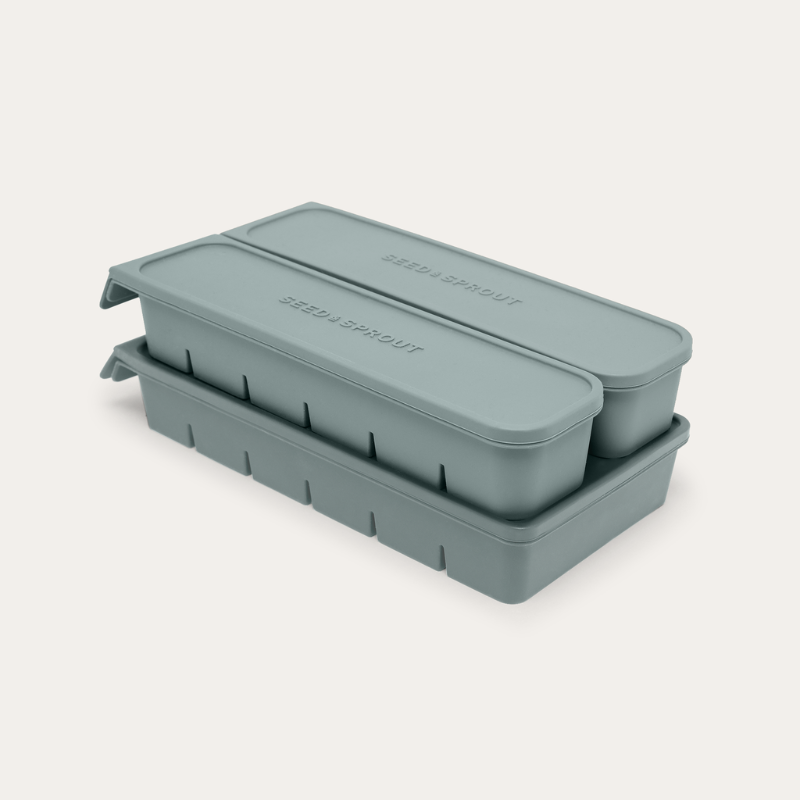
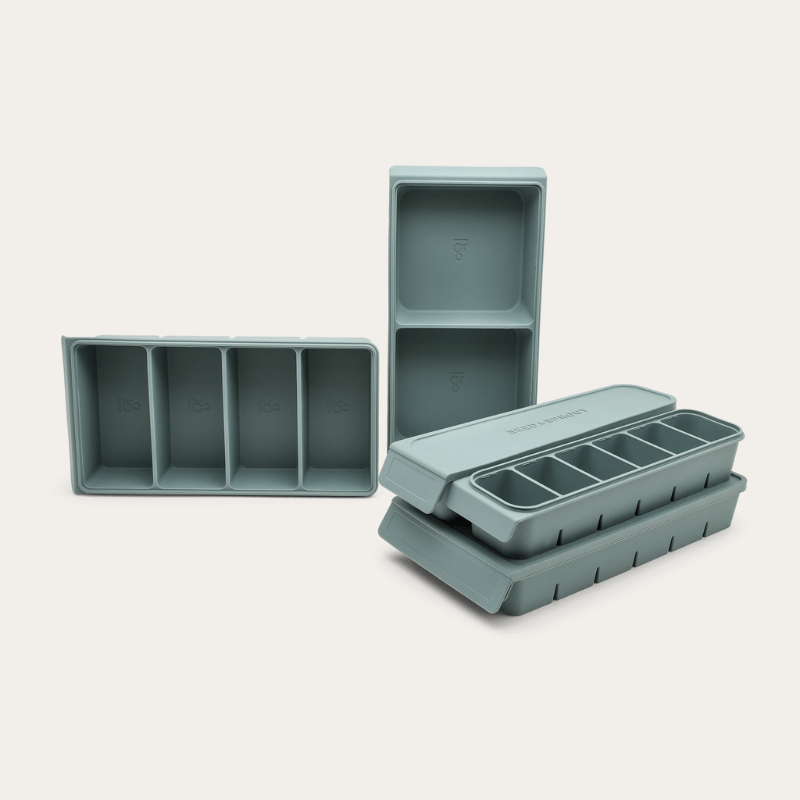
Make it last: Bars last longest when they dry out between uses. Our new Silicone Soap Holders drain water away so your bar stays firm.
Shop the Fruit & Veg Wash Block →
Looking for more small swaps? Read our World Sustainability Day guide to plastic-free kitchen swaps.
Frequently Asked Questions
Is water enough to wash fruit and vegetables?
Rinsing under running water and scrubbing firm produce does a lot of the work. A produce wash can help lift the waxy, oily film some fruit and veg carry, which water alone tends to slide over. Whichever you use, always rinse thoroughly.
Does washing remove pesticides?
Partly. Washing removes dirt, microorganisms and some residue on the surface. Many modern pesticides cling tightly to the skin or are absorbed into the plant, so washing can’t remove everything.
Should I wash organic produce?
Yes. Organic produce is still grown outdoors, handled and transported, so it can carry dirt and bacteria like any other produce.
Can I use dish soap to wash fruit and vegetables?
No. Regular dish soap isn’t designed for food. Use plain water or a wash made specifically for produce, and rinse well.
Should I wash produce before putting it in the fridge?
It’s best to wash just before eating, especially berries and leafy greens, because moisture speeds up spoilage. If you do wash ahead, dry everything thoroughly first.
How do I store my Fruit & Veg Wash Block?
Keep it out of standing water between uses. A draining soap holder helps it dry out and last longer.