



















Education
Rectangle Stainless Steel & Glass Container Guide: Microwave Safe Use & Care


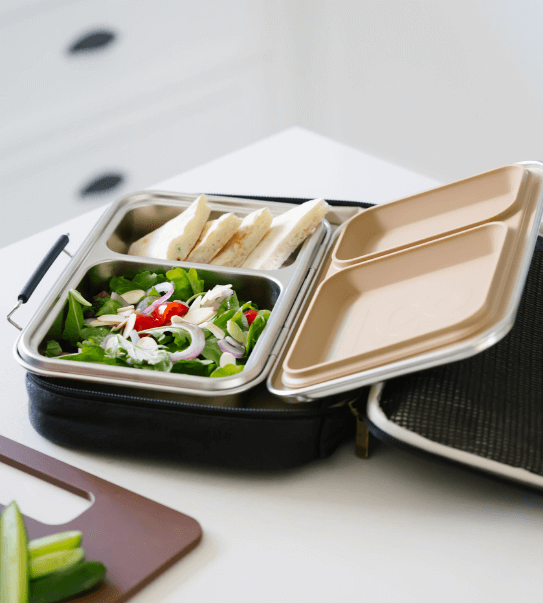
Your Rectangle Stainless Steel & Glass Container is designed to support everyday moments in the kitchen, from meal prep and leftovers to packed lunches and pantry organisation. Durable, reusable and thoughtfully designed, it’s made to simplify food storage while helping reduce reliance on single-use plastics.
This guide covers everything you need to know about using and caring for your container, including microwave safety, cleaning, oven and freezer use, plus answers to commonly asked questions. With the right care, your container is designed to support years of practical, everyday use.

Why This Stainless Steel Is Microwave Safe
Traditionally, stainless steel has not been considered suitable for microwave use. However, advancements in material design and product engineering have made it possible to safely use specially designed stainless steel containers in modern microwaves.
These containers are made from food-grade 304 stainless steel and have been specifically engineered for microwave use. Unlike thin metals or items with sharp edges (such as foil or cutlery), these containers are designed with:
- Smooth, continuous surfaces
- Rounded edges
- A consistent material thickness
This construction allows microwave energy to distribute more evenly across the surface, rather than concentrating in one area. When energy builds up around sharp edges or irregular shapes, it can lead to sparking. By removing these features, the containers can be used safely in a microwave when used as directed.
These containers have been tested for safe use in modern microwaves.

A Note on Responsible Use
While stainless steel offers a more durable and reusable alternative to plastic for microwave use, it is essential that proper use and care guidelines are always followed.
If a container becomes dented, deeply scratched, cracked, or otherwise damaged, it should no longer be used in the microwave, as this may affect how energy interacts with the surface.
However, this does not mean the container needs to be discarded. Even if it is no longer suitable for microwave use, it can continue to be used for:
- Everyday lunchware
- Fridge and freezer storage
- Meal prep
- Pantry organisation
- Oven use (container only, no lid)
This helps extend the life of the product and supports a more sustainable, low-waste approach to food storage.

General Use & Care
To get the best performance from your container and help extend its life, please follow the care instructions below.
Before First Use
Wash the stainless steel container, glass lid and silicone seal with warm, soapy water before using for the first time. Rinse well and dry thoroughly.
Everyday Use
- Suitable for food storage, meal prep, lunchware and pantry organisation
- Suitable for use in the fridge and freezer
- Stainless steel container is oven safe
- Use only as directed in the microwave
- Do not use the glass and silicone lid in the oven unless specifically stated safe
Cleaning
- Wash with warm, soapy water after use
- Dishwasher safe
- Dry thoroughly before storing
- Remove any food residue promptly, especially acidic or salty foods
Avoid Scratching
To help maintain the surface of the stainless steel:
- Use soft sponges or cloths when cleaning
- Avoid steel wool, abrasive scrubbers or harsh scouring pads
- Do not cut food directly inside the container
- Avoid using sharp utensils directly against the stainless steel
Avoid Harsh Chemicals
Do not use bleach, chlorine-based cleaners or abrasive cleaning products, as these may dull or damage the finish over time.

Frequently Asked Questions
Will the container get hot?
Yes. Stainless steel transfers heat efficiently, so the container will become hot during use. Always handle with care and use a cloth, tea towel or oven mitt when removing it from the microwave.
What happens if the container is dented, scratched or damaged?
If the container becomes significantly dented, deeply scratched, cracked or misshapen, it should no longer be used in the microwave.
Damage can create uneven surfaces, which may affect how microwave energy distributes across the container. This can increase the risk of sparking or inconsistent heating.
However, the container can still be safely used for:
- Lunchware
- Fridge and freezer storage
- Meal prep
- Pantry storage
- Oven use (container only)
How do I avoid scratching the container?
- Do not cut food directly inside the container
- Avoid sharp utensils
- Use soft sponges or cloths for cleaning
- Do not use abrasive scrubbers or steel wool
Scratches won’t affect general use, but deep scratches may impact microwave performance.
What happens with different microwave settings (e.g. defrost)?
Lower power settings such as defrost are safe to use and may provide more even, gradual heating.
Higher power settings (up to 1000W) can also be used, but it is recommended to heat in short intervals and stir food between cycles.
Can the container be used in the oven?
Yes. The stainless steel container is oven safe. Do not use the lid in the oven.
Can the container be used in the freezer?
Yes. The container is suitable for freezer use. When freezing liquids, leave room for expansion to prevent pressure build-up.
How should I clean the container?
- Wash with warm, soapy water or place in the dishwasher
- Dry thoroughly after cleaning
- Avoid bleach, chlorine-based cleaners or abrasive materials
Does the container have a coating?
No. The container is made from uncoated 304 stainless steel. This means there are no internal linings or coatings that can wear away over time.
What type of glass are the lids made from?
Semi tempered soda lime glass which is partially strengthened, offering durability while maintaining flexibility
What happens if the container is too close to the side of the microwave?
If the container is placed too close to the side, microwave energy may concentrate unevenly. This can lead to:
- Uneven heating
- Localised hot spots
- Potential surface marks
Always position the container in the centre of the turntable.
What happens if the container touches the microwave walls?
If the container touches the microwave walls or other metal surfaces, it may cause sparking (arcing).
This happens because metal reflects microwave energy, which can build up and discharge as sparks.
Always ensure there is space around the container during use.
How long should I microwave the container?
Heat in intervals of up to 2 minutes, then stir and repeat if needed.
Stainless steel does not heat in the same way as glass or plastic, so heating may take slightly longer overall.
Will food heat differently in stainless steel?
Yes. Stainless steel may heat food more gradually compared to glass or plastic because it reflects some microwave energy.
For best results:
- Heat in shorter intervals
- Stir between cycles
Why is only one container recommended at a time?
Using multiple containers or additional metal objects can interfere with how microwave energy moves inside the appliance, increasing the risk of uneven heating or sparking.
Why can’t I use other metal items at the same time (e.g. cutlery or foil)?
Additional metal items can create multiple points where energy reflects and concentrates, increasing the likelihood of sparking.
Is stainless steel safer than plastic in the microwave?
Many people choose stainless steel to reduce plastic use. Some research suggests heating plastic can release microplastics or chemicals into food.
Stainless steel offers a durable, reusable alternative when designed for microwave use.
What damage can be caused if a dented container sparks in the microwave?
If a dented or damaged container is used in the microwave, it can create areas where microwave energy concentrates unevenly. This may lead to sparking (also called arcing).
Sparking can cause several types of damage:
1. Damage to the container
- Burn marks or discolouration on the stainless steel
- Pitting or small surface imperfections
- Further weakening of already damaged areas
2. Damage to the microwave
- Scorching or burn marks on the interior walls
- Damage to the microwave’s internal components over time
- In severe cases, it may affect the performance or lifespan of the appliance
3. Risk to food and safety
- Uneven heating of food
- Localised overheating or hot spots
- In rare cases, sparks can pose a fire risk if left unchecked
What should I do if I see sparks?
- Stop the microwave immediately
- Check that the container is not damaged
- Ensure it is not touching the sides or other metal
How can I tell if my container is microwave safe?
These containers are clearly marked on the base of the container as microwave safe.
Always check for this marking before placing any stainless steel container in the microwave.
Important: Not all stainless steel containers are microwave safe.
Do not confuse these with other stainless steel containers that are not specifically designed or labelled for microwave use.
If a container is not labelled as microwave safe, it should not be used in the microwave.
Can I use acidic foods in the stainless steel container?
Yes, acidic foods such as tomato-based dishes, citrus, or dressings can be used in the container.
304 stainless steel is highly resistant to corrosion and is suitable for everyday use with a wide range of foods, including acidic ingredients.
However, over time, highly acidic or oily foods may cause:
- Light surface staining
- Discolouration or marks
These do not affect the safety or performance of the container.
For best results:
- Avoid leaving highly acidic foods in the container for extended periods
- Wash the container promptly after use