





















compost
Zero Waste Tips That Actually Work (Without Doing Everything Perfectly)


If you’ve ever looked into a zero waste lifestyle, you’ll know it can feel…like a lot. Especially if you've just watched the new Netflix Documentary The Plastic Detox.
Where to start? Bulk stores, compost systems, glass jars for everything, it’s inspiring, but also a little overwhelming.
The good news? Reducing waste at home doesn’t have to mean doing everything perfectly. In fact, it rarely does.
With Earth Hour and the International Day of Zero Waste this week, it’s a good time to step back and look at what actually makes a difference, the small, everyday shifts that add up over time.
What does “zero waste” actually mean?
At its core, zero waste is about sending as little as possible to landfill.
It’s not about perfection, and it’s definitely not about throwing everything out to start again. Instead, it’s about being more conscious of what we buy, how we use it, and what happens next.
You might also hear it described as part of a circular economy where products and materials are kept in use for as long as possible, rather than used once and discarded.
In real life, it looks less like “zero” waste… and more like less waste.
Why everyone’s talking about plastic and waste right now
There’s been a renewed focus on waste lately, particularly around plastic, packaging, and how much we consume without really thinking about it.
The release of The Plastic Detox has helped bring these conversations into the spotlight, prompting many people to take a closer look at their everyday habits.
It’s not necessarily new information, but it is a timely reminder.
Because while large-scale systems need to evolve, so do the small decisions we make at home, what we buy, how we store food, and how long things last.
If you’re curious to explore more, here are a few helpful resources:
Watch NOW: The documentary trailer on Netflix
6 realistic ways to reduce waste at home
If you’re wondering how to reduce waste at home without overhauling your entire life, this is a good place to start.

1. Start with what you already have
Before buying anything new, take stock of what’s already in your kitchen.
Using what you have even if it’s not the most aesthetic or “perfect” option is often the most sustainable place to begin.

2. Reduce food waste with better storage
Food waste is one of the biggest contributors to household waste.
Simple changes like storing leftovers properly, keeping produce fresher for longer, and prepping ingredients ahead of time can make a noticeable difference, both environmentally and financially.
A well-organised fridge or pantry isn’t just nice to look at, it helps ensure food actually gets used.

3. Swap single-use for reusable (where it makes sense)
You don’t need to replace everything overnight.
Instead, look for the swaps you use most often things like food storage, takeaway containers, or kitchen prep items and start there.
Reusable options reduce ongoing waste and tend to last much longer when chosen well.

4. Choose quality over quantity
One of the simplest sustainable living tips is also one of the most effective: buy less, but buy better.
Well-made products that last reduce the need for constant replacement which means less waste over time.
It’s the thinking behind our Buy Once, Buy Well philosophy, and it’s one of the easiest shifts to make.

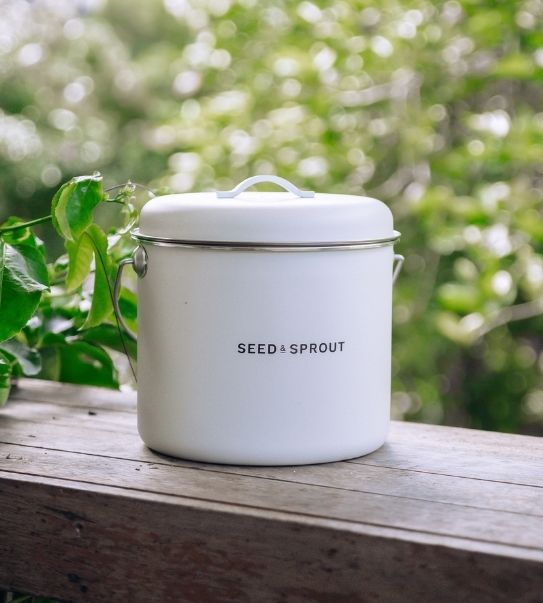
5. Compost what you can
If you have the space, composting is a powerful way to reduce waste at home.
Food scraps that would otherwise end up in landfill can be turned into something useful whether that’s for your garden or a local composting system.
Even small steps here can significantly cut down your household waste.

6. Let go of “perfect”
This might be the most important one.
A low waste lifestyle isn’t about getting it right all the time. It’s about making better choices more often.
Because something doesn’t have to be perfect to be worth keeping, using, or improving.
Easy zero waste swaps for the kitchen
If you’re looking for simple, practical ways to reduce waste in your day-to-day routine, the kitchen is a great place to start.
A few easy swaps can make a big impact:
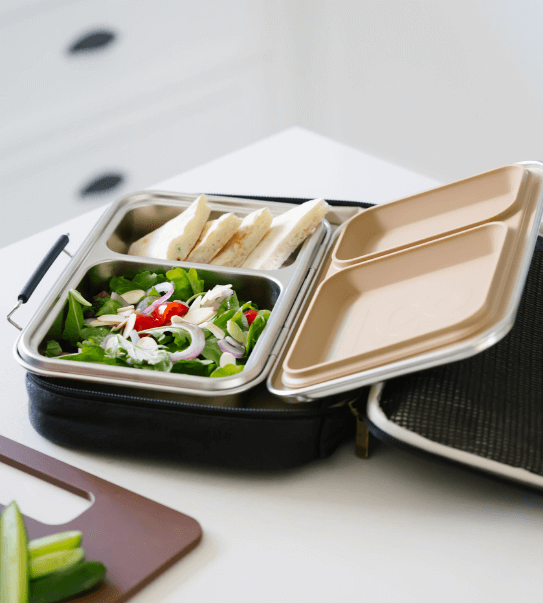
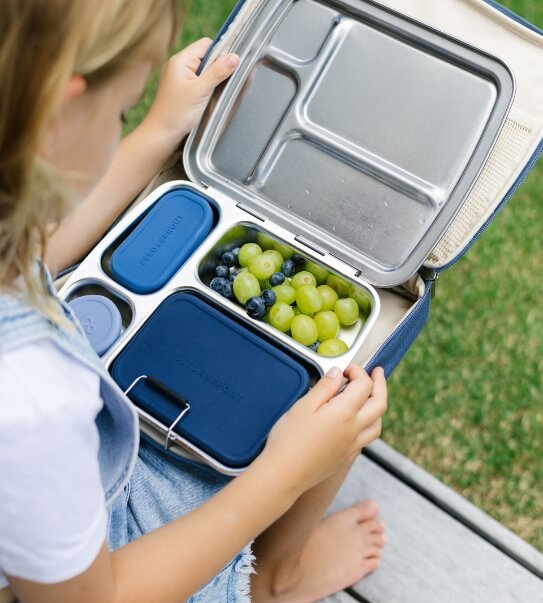
- Reusable food storage instead of disposable wrap or containers
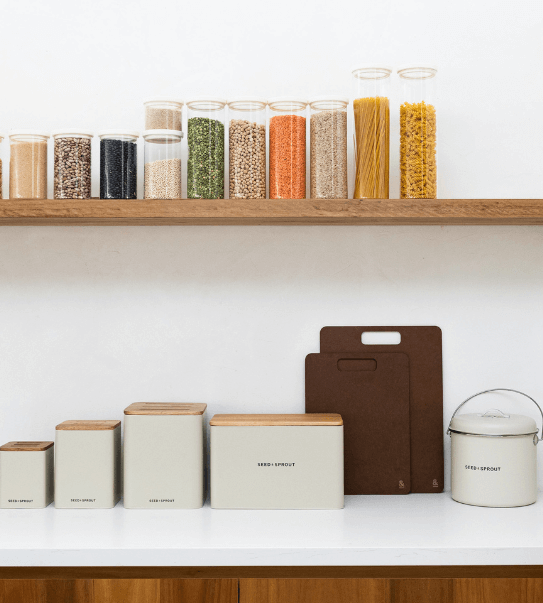
- Glass pantry jars to keep ingredients fresh and visible
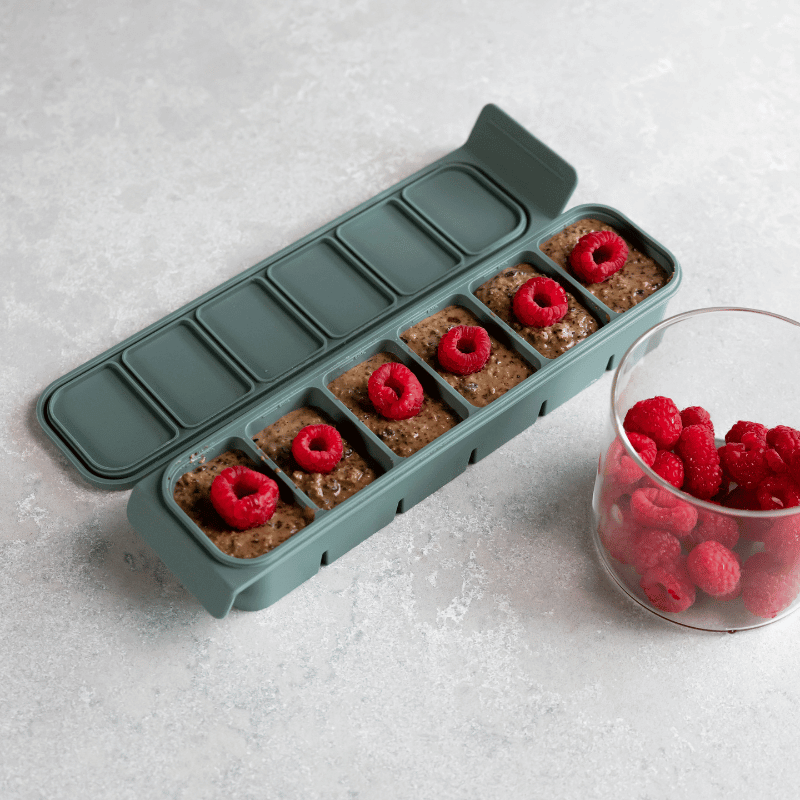
- Freezer-friendly containers or moulds to prep and store meals, reducing food waste
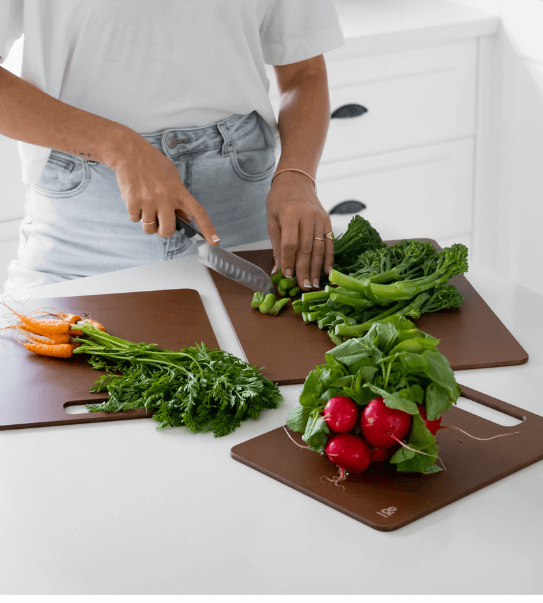
- Durable chopping boards and prep tools that are built to last
These aren’t about buying more, they’re about choosing better, so you can buy less over time.
What is Earth Hour (and why it still matters)?
Started by WWF, Earth Hour has grown into one of the world’s largest environmental movements.
Each year, people around the world switch off non-essential lights for one hour, in Australia, this happens at 8:30pm local time.
But Earth Hour has never really been about the electricity saved in that moment.
It’s about what it represents, a collective pause, a reminder, and a chance to reflect on how we live and what we can do differently.
Whether it’s a candlelit dinner, stargazing, or simply stepping away from screens, it’s a small act that connects millions of people globally.
If you’d like to get involved, you can learn more or register via the official Earth Hour Australia site:
👉 https://www.earthhour.org.au/
What is the International Day of Zero Waste?
The International Day of Zero Waste is held each year on March 30 and is led by United Nations Environment Programme and UN-Habitat.
It focuses on something a little more practical: how we reduce waste in our everyday lives.
From food waste to packaging and fast fashion, the day highlights the need for more sustainable consumption and encourages both individuals and businesses to take action.
Without change, global waste is expected to rise significantly in the coming years, making small, collective shifts more important than ever.
You can read more about the initiative here:
👉 https://www.unep.org/events/un-day/international-day-zero-waste
Zero waste, your way
Both Earth Hour and Zero Waste Day remind us of the same thing:
Change doesn’t have to be big to be meaningful.
Reducing waste at home might look like using what you already have, planning meals more carefully, or choosing products that last a little longer.
It might look different for everyone and that’s the point.
Because sustainable living isn’t about doing everything.
It’s about doing something, and building from there.
If you’re looking for practical ways to get started, explore our range of thoughtfully designed kitchen essentials created to help you reduce waste over time, not all at once.